-
-
Program Based Courses: Enrol to the courses and start learning. Complete activities, interact with course tutor and peers.
AI Virtual Tutor: Courses are supported by Virtual Agents developed specifically for the course based on the knowledge from the prescribed textbooks.
Flexible Evaluation: Course tutors can grade their students through numerous evaluation modules to realise course outcome through competency evaluation.
தவிர்
பாடப் பிரிவுகள்
தவிர்
கிடைக்கும் பாடங்கள்

CSCE 811 BIG DATA TECHNOLOGIES
Prerequisite:
Basic knowledge in programming concepts
Objectives:
To provide practical foundation-level training in big data projects.
To provide grounding in basic big data technology
To learn advanced methods and tools in big data
To understand Hadoop architecture
Course Outcome:
Recognize big data projects.
Implement big data technology and tools
Demonstrate MapReduce and Hadoop and its ecosystem
Implement a sample system using Hadoop.
- பதிந்திருக்கும் மாணவர்கள்: இந்தப் பாடத்தில் எந்த மாணவரும் பதிவு பெறவில்லை
MBAB 424: Financial Statement Analysis
SEMESTER II
MBAB 424: FINANCIAL STATEMENT ANALYSIS
Hard Core: 3 Credit
Prerequisite: Basic knowledge in Financial Accounting
Learning Objective:
1. To analyze and interpret Financial statements for Managerial Decision Making
2. To understand the role of Information Technology for analyzing Financial Statements
Learning outcome:
1. To gain knowledge and skills in analyzing and interpreting financial statements.
2. To acquire knowledge to apply efficient and effective approach to rescheduling, interpreting and analyzing financial statements
Methodology:
Lecture, Discussions, Exercise, Case studies, Assignments and mini projects
Unit I: Financial Analysis Tools and Techniques- Objectives of Financial Statement Analysis – Horizontal vs. Vertical Analysis - Tools and Techniques of Financial Statement Analysis – Sources of Information – Standards for Comparison – Comparative, Common-Size and Trend Analysis.
Unit II: Ratio Analysis Classification – Profitability Ratios - Short Term Liquidity Ratios - Operating Performance and Efficiency Ratios– Capital Structure and Long Term Solvency Ratios – Market measures Ratio – Analyzing Bank Financial Statements – Ratios for Trading, Manufacturing and Service organizations. Forecasting Financial Statements - One Year Projection – Sensitivity Analysis – Contribution Margin Analysis – Projecting Financial Flexibility – Multiyear Projection
Unit III: Fund and Cash Flow Analysis- Concept of Funds – Funds Flow Statement – Statement of Changes in working capital - Calculation of Funds from operation – Sources of Funds – Applications of Funds – Preparation of Funds Flow Statement. Uses and Structure of Cash Flow Statement – Preparation of Cash flow statement – Determining Net Cash flow from Operating Activities - Direct and Indirect Method - Determining Cash flow from Investing Activities - Determining Net Cash flow from Financing Activities – Reporting Cash Flows – Interpreting the Cash Flow Statement.
Unit IV: Cost-Volume-Profit Analysis- Marginal Costing – Assumptions of Marginal Costing – Marginal Costing vs. Absorption Costing – Profit /Volume Ratio – Cost-Volume-Profit Analysis – Break-Even Analysis – Margin of Safety – Managerial Applications of Marginal Costing.
Unit V: Budgetary Control and Variance Analysis- Budget, Budgeting and Budgetary Control – Essentials of Budgetary Control – Budgeting vs. Forecasting –Classification and Types of Budgets – Zero-Base Budgeting – Activity based Budgeting – Analysis of variance –Material, Labour, Overhead and Sales variances.
Text Books and Reference Books:
1. MartinS. Fridson, Fernando Alvarez, Financial Statement Analysis: A Practitioner's Guide, Wiley India Private Ltd Finance, Fifth Edition,2019-20.
2. ShashiK.Gupta&R.K.Sharma,ManagementAccountingPrinciplesandPractice,KalyaniPublishers,14th Edition,2019-20.
3. K.Scott Proctor, Building Financial Models with Microsoft Excel–A Guide for Business Professionals, Wiley India Private Ltd Finance,2019-20.
4. JohnJ.Wild, K.R.Subramanyam, Financial Statement Analysis, Mc Graw Hill Education, Latest edition
Open Resources: https://swayam.gov.in/course, http://www.iibf.org.in, https://students.icai.org
Tools/Software: MS Excel, Power BI, Tableau
- பதிந்திருக்கும் மாணவர்கள்: இந்தப் பாடத்தில் எந்த மாணவரும் பதிவு பெறவில்லை
MBAB 517: Stock and Forex Trading Lab
MBA: BANKING TECHNOLOGY DEGREE PROGRAMME
III SEMESTER
MBAB 517: Stock and Forex Trading Lab
Hard Core 2 Credits
Prerequisites: Basic knowledge on Financial Market Operation
Learning Objectives: Prepare Students -
· To introduces the operations of Securities market
· To understand the Trading process, settlement and legal frameworks
Learning outcome: Students who complete this course can do stock and Forex trading
UNIT-1 - SECURITIES MARKET AND ITS OPERATION - Primary Market – Secondary Market – Key Indicators of secondary market - Market Capitalization, Market Capitalization Ratio, Turnover, Turnover Ratio – Products and Participation – Market segments and their products.
UNIT-2 – FOREX MARKET AND ITS OPERATION – Forex market and its organisation – Exchange Rates and its calculations – Forex Transactions – Types of Forex market – Forex market operations.
UNIT -3 - ONLINE TRADING - Procedure/process involved in performing share trading - OCITE - Neat system – BOLT System - market types - trading system users hierarchy - local database - market phases - logging on - log off/exit from the application. Online Forex Trading – Operations – procedures.
Opening of Trading and DEMAT Accounts – Procedure for opening Trading and DEMAT accounts – Trading Vs. Investment – Steps to be followed for trading and Investment.
UNIT–4 - CLEARING, SETTLEMENT AND RISK MANAGEMENT - key terminologies used in clearing and settlement process - transaction cycle - settlement agencies -clearing and settlement process – Risk management in Trade and settlement – Depositories and their Roles. Legal Frameworks – SEBI - Role of SEBI regarding the protection of investor - FEDAI Regulations – Role of RBI.
Unit -5 - FUNDAMENTAL VALUATION CONCEPTS - Time value of money – Fundamental Analysis - understanding financial statements - Ratio analysis – Economic Analysis - Technical analysis – Different Techniques Market Capitalization and calculation of Market Capitalization - Index – Types – Calculation of Index – Market return and Beta Calculation
Text Books:
1. EVERYTHING YOU WANTED TO KNOW ABOUT STOCK MARKET INVESTING - Network 18 Publication Pvt. Ltd –
2. 2 Edition, 2017 2. Sid Bhattacharjee, Generate Daily Income from Financial Market, Partridge India, 2014 November
References:
1. Punithavathy Pandian, Security Analysis and Portfolio Management, Vikas Publishing House Pvt. Ltd, 2nd edition, 2012. (Text Book)
2. V. A. Avadhani, Investment and Securities Market in India , Himalaya Publishing House.
3. Prasanna Chandra, Security Analysis and Portfolio Management , Tata McGraw-Hill.
4. SanjeevAgarwal, A Guide to Indian Capital Market , Bharat Publishers
5. Ravi Puliani and Mahesh Puliani, Manual of SEBI , Bharat Publication
- பதிந்திருக்கும் மாணவர்கள்: இந்தப் பாடத்தில் எந்த மாணவரும் பதிவு பெறவில்லை
Test Course 100
- ஆசிரியர்: Venkatesan R
- பதிந்திருக்கும் மாணவர்கள்: 1
General Test Course
- ஆசிரியர்: Moodle Administrator
- பதிந்திருக்கும் மாணவர்கள்: இந்தப் பாடத்தில் எந்த மாணவரும் பதிவு பெறவில்லை
CHMA 323 Physical Chemistry III: Atomic Structure and Bonding
Learning Objectives:
Predict the nature of bond and its properties through various Electronic structural methods, bonding models, and intermolecular interactions
Learning Outcome:
To develop conceptual knowledge about the electronic structure of atom, ground and excited states, chemical bonding and molecular orbital theories.
- ஆசிரியர்: Venkatesan R
- பதிந்திருக்கும் மாணவர்கள்: 1
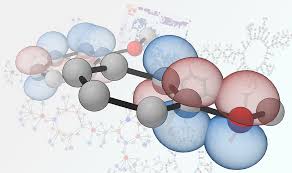
CHEM412 Electronic Stucture Methods
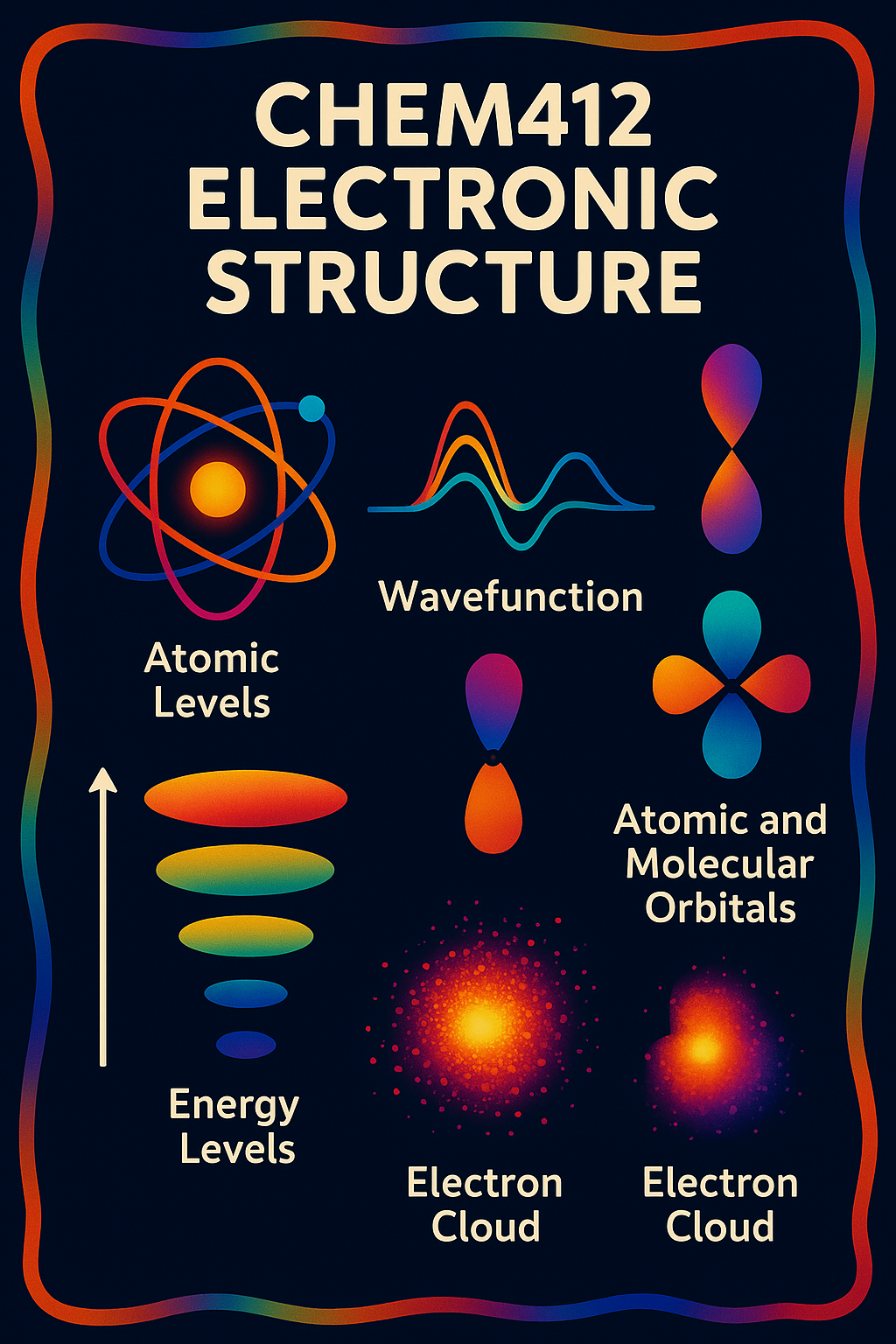
Learning Outcome: (a) Understand atomic structure and moleculear structur. (b) Understand the nature of chemical bond through varous theories. (c) Understand how to apply quantum mechanical priciples to relistic systems.
Unit - I Solving Schrodinger’s One Electron Atom: The Schrödinger equation – Atomic units – transformations Relative coordinates- Schrodinger equation in spherical polar coordinates –Separation of variables –Spherical Harmonics – Legendre Equation and its solutions –Interdependency of l and m– The Radial equation and its simplification – Asymptotic solution for ρ equation–interdependency of l and n – Laguerre and associated Laguerre polynomials.
Unit - II Nature of Hydrogenic Wave-functions: Energies and Degeneracies – Justification for Bohr’s Energy and Rydberg’s formula - Virial Theorem - Angular Momentum– Expressions for Atomic Orbitals –Radial Plots – Probability and Radial Distribution plots –Average and Most probable Distances –Impact of Nuclear Charge variation– Polar plots – Shapes of Atomic orbitals – Planar, Radial Nodes and Orthogonality.
Unit - III Approximations for many-electron Schrodinger equation: Atomic
Hamiltonian - Independent Electron Model - Theory of Perturbation - Nondegenerate Perturbation theory - first and second Order Corrections ––Perturbation Treatment of He – Degenerate Perturbation –Theory of Variation– Linear and non-linear Variation – Matrix formulation of Linear Variation - Secular
Determinant - Variational treatment of He – Effective nuclear charge.
Unit - IV Atomic Structure of many electron atoms: Quantum Particles Indistinguishablity– Electron Spin and its interpretations – Pauli’s Antisymmetry principle –Excited states of Helium - Nature of Exchange – Slater DeterminantsSlater Type Orbitals – Aufbau principle – Deconstruction of Periodic table – Electron Angular momentum and Spin-Orbit Coupling–Evaluations for Total Angular momentum –Term Symbols – Hund’s Rules and its limitations.
Unit V Electronic Structure of Molecules: Bonn-Oppenheimer Approximation – Electronic structure of H2+ - Ground and Excited states of H2– LCAO-MO Theory - VB Theory – Nature of Exchange - HF-SCF Theory –Definition of Chemical bond – Correlation - Configuration interaction - Electronic structure of Homo and Hetero Diatomics of Second Row – Bonds and Lone pairs vs MOs – Bond order – sp Mixing and Avoided Crossing - MO Configuration –Electronic States and Term Symbols.
- ஆசிரியர்: Venkatesan R
- பதிந்திருக்கும் மாணவர்கள்: 46
CHEM211 General Chemistry III
- ஆசிரியர்: Venkatesan R
- பதிந்திருக்கும் மாணவர்கள்: 22
CHEM212 Mathematics For Chemists
Principles of mathematics are essential to relate various chemical properties and their structures. This course prepares students to understand essential mathematical principles required to understand quantum chemistry, chemical bonding, group theory, spectroscopy and perform computational chemistry calculations.
- பதிந்திருக்கும் மாணவர்கள்: 1
CHEM1001 Chemistry for Non-Science Majors
This Course is designed for non-science majors & aims to make you a bit more informed as citizens and voters on the many chemistry-related issues.
Course Goals:
Very simply, the primary goal of this course is change the way you see the world, forever. Pretty much everything you can see and touch is made of chemicals or their components. We, our bodies and our world are all made of chemicals: everywhere you look – almost everything you see or touch. So if we can understand even a bit of the physical underpinnings of the behaviour of these chemicals, we have learned some very fundamental and broadly applicable things about ourselves and our world. This helps inform our understanding of our world, life, death and dances in between… at a very deep level. In essence I would like you all to be able to think and “see” as chemists, and see the world from a molecule’s point of view.
More specifically, you will take a little a journey (I’ll come along) …
1) To understand (some of) the basic principles governing the behaviour of matter – the stuff we’re made of: life, rocks, air water, soil, almost everything you see...
2) To learn enough about science, math & chemistry to help you become semi-conversant in it, be more able to spot pseudoscience and become more informed citizens.
3) To be able to access information, use it and communicate it to folks in areas where understanding even a bit a about science & chemistry can make a difference.
4) To enhance your sense of wonder and amazement for the atomic dances we live in. (get a bit of insight into the amazing atomic & molecular dance that is us, our home, our universe.)
Topics:
Unit 0: About Science
Unit I: Particles of Matter, Elements of Chemistry, Subatomic Particles, The Atomic Nucleus
Unit II: How Atoms Bond, How Molecules Mix, How Water Behaves
Unit III: How Chemicals React, Acids and Bases in Our Environment, Oxidations and Reductions Charge the World
Unit IV: Organic Compounds, Nutrients of Life, Medicinal Chemistry, Optimizing Food Production
Unit V: Protecting Water and Air Resources
Learning Plan:
- Lecture session: two hours per week
- Self study: 3 hours per week
- Discussion: 1 hour per week online mode through live text/video/audio
- Q&A: Online mode - at least 10 question and answers have to be posted for grading
Evaluation Method: (consult course tutor)
- Assignments: Five assignments (one for each unit)
- Q&A session: Online mode based on self-study materials
- Discussion and peer evaluation
- Time-constraint examinations - continuous mode
- Time-constraint examination - end-semester
- பதிந்திருக்கும் மாணவர்கள்: இந்தப் பாடத்தில் எந்த மாணவரும் பதிவு பெறவில்லை
NET GATE Chemistry
A student based open discussion platform.
Usage:
- Pre- and post-classroom reading resources
- Resources for competitive examinations like CSIR, GATE, IIT-JAM, TIFR etc.
- Re-use the reading resources link in other courses
- Preparation of project proposal for Post-doc, Internships, summer fellowships etc.
- To improve overall chemistry knowledge and develop research culture
Features:
- Self registration
- Sharing knowledge with others
- Ask questions and get answers from participants
- Learning resources
- Previous years questions
- Chemistry department teaching members guidance
- Video Lectures
- ஆசிரியர்: Venkatesan R
- பதிந்திருக்கும் மாணவர்கள்: 2
CHEM325 Physical Chemistry Biology Perspective
- பதிந்திருக்கும் மாணவர்கள்: இந்தப் பாடத்தில் எந்த மாணவரும் பதிவு பெறவில்லை
CHEM324 Kinetic Theory of Gases and Chemical Kinetics
- பதிந்திருக்கும் மாணவர்கள்: இந்தப் பாடத்தில் எந்த மாணவரும் பதிவு பெறவில்லை
CHEM323 Eco-friendly Chemistry – Principles and Practices
- பதிந்திருக்கும் மாணவர்கள்: இந்தப் பாடத்தில் எந்த மாணவரும் பதிவு பெறவில்லை
CHEM322 Organic Chemistry III Bioorganic Chemistry
- ஆசிரியர்: Vasuki G
- பதிந்திருக்கும் மாணவர்கள்: இந்தப் பாடத்தில் எந்த மாணவரும் பதிவு பெறவில்லை
CHEM321 Basic Inorganic Chemistry III
- பதிந்திருக்கும் மாணவர்கள்: இந்தப் பாடத்தில் எந்த மாணவரும் பதிவு பெறவில்லை
CHEM222 Introduction to Quantum Chemistry and molecular Symmetry
- பதிந்திருக்கும் மாணவர்கள்: இந்தப் பாடத்தில் எந்த மாணவரும் பதிவு பெறவில்லை
CHEM221 Organic Chemistry I: Structure and Functionalizing Hydrocarbons
- பதிந்திருக்கும் மாணவர்கள்: இந்தப் பாடத்தில் எந்த மாணவரும் பதிவு பெறவில்லை
CHEM211 Basic Inorganic Chemistry I
- பதிந்திருக்கும் மாணவர்கள்: இந்தப் பாடத்தில் எந்த மாணவரும் பதிவு பெறவில்லை
CHEM121 Principles of General Chemistry II
- பதிந்திருக்கும் மாணவர்கள்: இந்தப் பாடத்தில் எந்த மாணவரும் பதிவு பெறவில்லை
CHEM320 Chemistry Laboratory VI
- பதிந்திருக்கும் மாணவர்கள்: இந்தப் பாடத்தில் எந்த மாணவரும் பதிவு பெறவில்லை
CHEM220 Chemistry Laboratory IV
- பதிந்திருக்கும் மாணவர்கள்: இந்தப் பாடத்தில் எந்த மாணவரும் பதிவு பெறவில்லை
CHEM210 Chemistry Laboratory III
- பதிந்திருக்கும் மாணவர்கள்: இந்தப் பாடத்தில் எந்த மாணவரும் பதிவு பெறவில்லை
CHEM120 General Chemistry Laboratory II
- பதிந்திருக்கும் மாணவர்கள்: இந்தப் பாடத்தில் எந்த மாணவரும் பதிவு பெறவில்லை
CHEM582 Non-Equilibrium Thermodynamics
- பதிந்திருக்கும் மாணவர்கள்: இந்தப் பாடத்தில் எந்த மாணவரும் பதிவு பெறவில்லை
CHEM581 Wave function Analysis
- பதிந்திருக்கும் மாணவர்கள்: இந்தப் பாடத்தில் எந்த மாணவரும் பதிவு பெறவில்லை
CHEM579 Computational Quantum Chemistry: Materials
- பதிந்திருக்கும் மாணவர்கள்: இந்தப் பாடத்தில் எந்த மாணவரும் பதிவு பெறவில்லை
CHEM578 Computational Quantum Chemistry: Molecules
- பதிந்திருக்கும் மாணவர்கள்: இந்தப் பாடத்தில் எந்த மாணவரும் பதிவு பெறவில்லை
CHEM577 Chromatographic Separation Methods
- பதிந்திருக்கும் மாணவர்கள்: இந்தப் பாடத்தில் எந்த மாணவரும் பதிவு பெறவில்லை
CHEM576 Analytical Techniques in Chemistry
- பதிந்திருக்கும் மாணவர்கள்: இந்தப் பாடத்தில் எந்த மாணவரும் பதிவு பெறவில்லை
CHEM575 Solid State Chemistry
- பதிந்திருக்கும் மாணவர்கள்: இந்தப் பாடத்தில் எந்த மாணவரும் பதிவு பெறவில்லை
CHEM574 Nanomaterial and Photo-catalysis
- பதிந்திருக்கும் மாணவர்கள்: இந்தப் பாடத்தில் எந்த மாணவரும் பதிவு பெறவில்லை
CHEM573 Molecular Reaction Dynamics
- பதிந்திருக்கும் மாணவர்கள்: இந்தப் பாடத்தில் எந்த மாணவரும் பதிவு பெறவில்லை
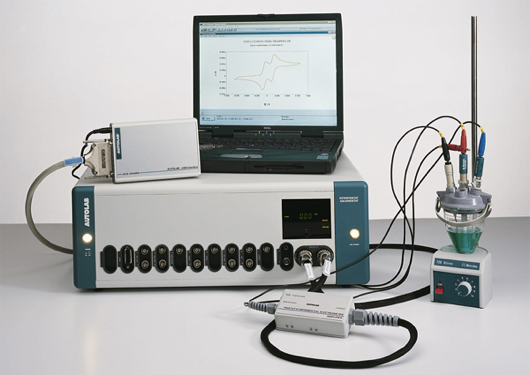
CHEM572 Electroanalytical Techniques
- ஆசிரியர்: Venkatesan R
- பதிந்திருக்கும் மாணவர்கள்: இந்தப் பாடத்தில் எந்த மாணவரும் பதிவு பெறவில்லை
CHEM571 Statistical Thermodynamics
- பதிந்திருக்கும் மாணவர்கள்: இந்தப் பாடத்தில் எந்த மாணவரும் பதிவு பெறவில்லை
CHEM569 Chirotechnology
- பதிந்திருக்கும் மாணவர்கள்: இந்தப் பாடத்தில் எந்த மாணவரும் பதிவு பெறவில்லை
CHEM568 Drug design and discovery
- பதிந்திருக்கும் மாணவர்கள்: இந்தப் பாடத்தில் எந்த மாணவரும் பதிவு பெறவில்லை
CHEM567 Polymer Science Synthesis Characterization
- பதிந்திருக்கும் மாணவர்கள்: இந்தப் பாடத்தில் எந்த மாணவரும் பதிவு பெறவில்லை
CHEM566 Organic synthesis for chemical biology – principles and practices
- பதிந்திருக்கும் மாணவர்கள்: இந்தப் பாடத்தில் எந்த மாணவரும் பதிவு பெறவில்லை
CHEM565 Natural Products Chemistry
- பதிந்திருக்கும் மாணவர்கள்: இந்தப் பாடத்தில் எந்த மாணவரும் பதிவு பெறவில்லை
CHEM564 Selected named organic reactions
- ஆசிரியர்: Vasuki G
- பதிந்திருக்கும் மாணவர்கள்: இந்தப் பாடத்தில் எந்த மாணவரும் பதிவு பெறவில்லை
CHEM563 Organic synthesis – Methodology (Reagents in Organic Synthesis)
- பதிந்திருக்கும் மாணவர்கள்: இந்தப் பாடத்தில் எந்த மாணவரும் பதிவு பெறவில்லை
CHEM562 Organic Synthesis and Approaches
- ஆசிரியர்: Vasuki G
- பதிந்திருக்கும் மாணவர்கள்: 6
CHEM561 Chemistry of Aromatics
- பதிந்திருக்கும் மாணவர்கள்: இந்தப் பாடத்தில் எந்த மாணவரும் பதிவு பெறவில்லை
CHEM559 Asymmetric Synthesis
- பதிந்திருக்கும் மாணவர்கள்: இந்தப் பாடத்தில் எந்த மாணவரும் பதிவு பெறவில்லை
CHEM558 Advanced Organic Chemistry
- பதிந்திருக்கும் மாணவர்கள்: இந்தப் பாடத்தில் எந்த மாணவரும் பதிவு பெறவில்லை
CHEM557 Catalysis Concepts and Applications
- பதிந்திருக்கும் மாணவர்கள்: இந்தப் பாடத்தில் எந்த மாணவரும் பதிவு பெறவில்லை
CHEM556 Inorganic photochemistry
- பதிந்திருக்கும் மாணவர்கள்: இந்தப் பாடத்தில் எந்த மாணவரும் பதிவு பெறவில்லை
CHEM555 Bio-Inorganic Chemistry
- பதிந்திருக்கும் மாணவர்கள்: இந்தப் பாடத்தில் எந்த மாணவரும் பதிவு பெறவில்லை
CHEM554 Ligand Field Theory
- பதிந்திருக்கும் மாணவர்கள்: இந்தப் பாடத்தில் எந்த மாணவரும் பதிவு பெறவில்லை
CHEM553 Supra-molecular chemistry
- பதிந்திருக்கும் மாணவர்கள்: இந்தப் பாடத்தில் எந்த மாணவரும் பதிவு பெறவில்லை
CHEM552 Selected Topics in Inorganic Chemistry
- பதிந்திருக்கும் மாணவர்கள்: இந்தப் பாடத்தில் எந்த மாணவரும் பதிவு பெறவில்லை
CHEM551 Structure and Reaction Mechanisms of Transition Metal Compounds
- பதிந்திருக்கும் மாணவர்கள்: இந்தப் பாடத்தில் எந்த மாணவரும் பதிவு பெறவில்லை
CHEM521 Seminar Participation and Review Writing
- பதிந்திருக்கும் மாணவர்கள்: இந்தப் பாடத்தில் எந்த மாணவரும் பதிவு பெறவில்லை
CHEM520 Research Project
- பதிந்திருக்கும் மாணவர்கள்: இந்தப் பாடத்தில் எந்த மாணவரும் பதிவு பெறவில்லை
CHEM511 Summer Internship
- பதிந்திருக்கும் மாணவர்கள்: இந்தப் பாடத்தில் எந்த மாணவரும் பதிவு பெறவில்லை
CHEM510 Graduate Research Laboratory
- பதிந்திருக்கும் மாணவர்கள்: இந்தப் பாடத்தில் எந்த மாணவரும் பதிவு பெறவில்லை
CHEM424 Structure and Bonding in Coordination Organometallic Compounds of Transition Metals
- பதிந்திருக்கும் மாணவர்கள்: இந்தப் பாடத்தில் எந்த மாணவரும் பதிவு பெறவில்லை
CHEM423 Structure and Spectra Magnetic Resonance
- ஆசிரியர்: Venkatesan R
- பதிந்திருக்கும் மாணவர்கள்: 1
CHEM421 Reaction Kinetics and mechanism
- பதிந்திருக்கும் மாணவர்கள்: இந்தப் பாடத்தில் எந்த மாணவரும் பதிவு பெறவில்லை
CHEM415 Chemistry of main group Elements
- பதிந்திருக்கும் மாணவர்கள்: இந்தப் பாடத்தில் எந்த மாணவரும் பதிவு பெறவில்லை
CHEM420 Advanced Chemistry Laboratory II
- பதிந்திருக்கும் மாணவர்கள்: இந்தப் பாடத்தில் எந்த மாணவரும் பதிவு பெறவில்லை
CHEM410 Advanced Chemistry Laboratory I
- பதிந்திருக்கும் மாணவர்கள்: இந்தப் பாடத்தில் எந்த மாணவரும் பதிவு பெறவில்லை
CHEM422 Structure and Spectra: Electronic Vibrational and Microwave
Course Content:
*Unit 0: Matrix Algebra: Operations in matrices, diagonalization, solution to simultaneous equations, eigen values and eigen vectors
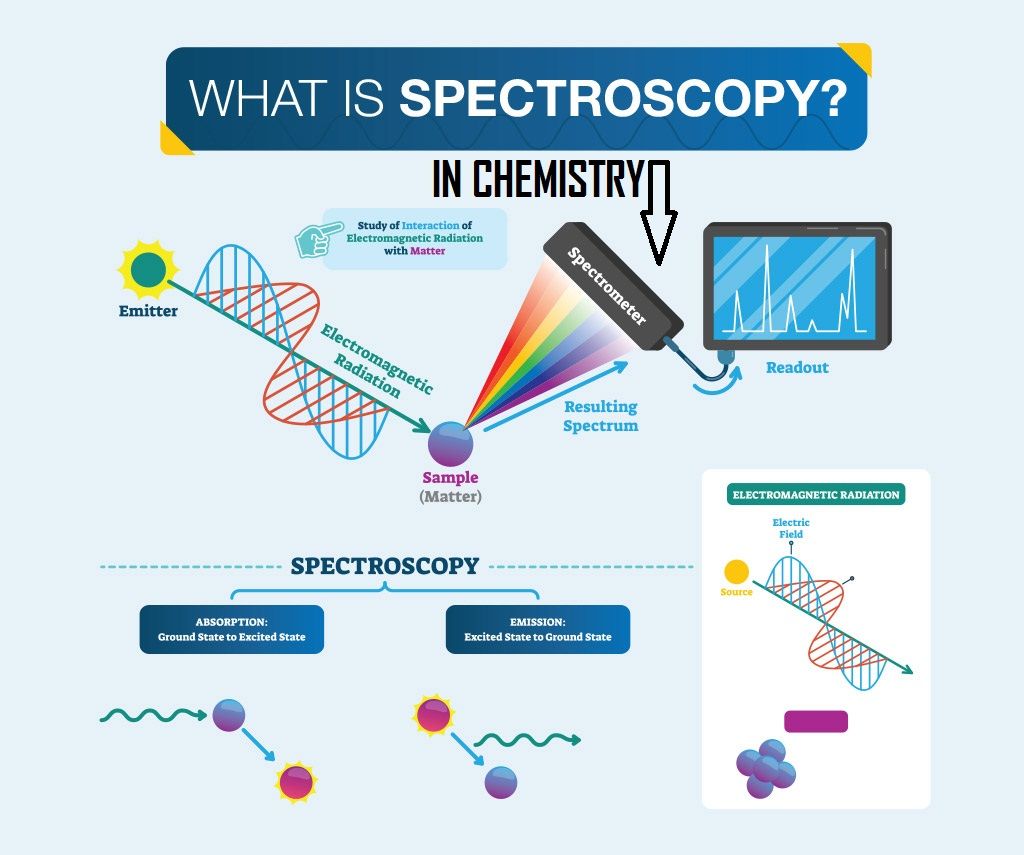
Unit I Theory of Normal Vibrations: Electromagnetic radiation, interaction of electromagnetic radiation with matter, quantum mechanical approach -transition probabilities: Einstein coefficients -pure vibrational and rotational spectra, selection rules, vibrational and rotational spectra of polyatomic molecules, Projection operators and normal modes, anharmonicity, selection rules -Raman effect: classical and quantum theory of Raman effect, rotational and vib-rotational Raman spectra
Unit II (Electronic spectroscopy): Transition moments, assignment of electronic transitions of N2, H2O and formaldehyde using group theory, fluorescence and phosphorescence, ESCA, PES, AUGER techniques
Unit III: Application to organic molecules: UV Visible Spectroscopy: Basic principles, application of UV Visible spectroscopy to organic structure elucidation, Woodward –Fisher rules, Octant rule, Application of ORD –CD to stereochemical assignments. IR –Spectroscopy –Basic principles, characteristic frequencies of common functional
Unit IV: Application to Inorganic Chemistry: Diatomic, triatomic, other geometry and compounds ofthe p-block elements –Application to Coordination Chemistry –Application to Organometallics –Application to Bio-Inorganic Chemistry
Unit V: Problem solving
- ஆசிரியர்: Venkatesan R
- பதிந்திருக்கும் மாணவர்கள்: 1
CHEM3102 Organic Chemistry II Synthetic Methods, Polymers, and Spectroscopic Techniques
- ஆசிரியர்: Vasuki G
- பதிந்திருக்கும் மாணவர்கள்: இந்தப் பாடத்தில் எந்த மாணவரும் பதிவு பெறவில்லை
CHEM414 Chemical Reactions and Energetics
- ஆசிரியர்: Venkatesan R
- பதிந்திருக்கும் மாணவர்கள்: 49
CHEM411 Symmetry and Structure
- பதிந்திருக்கும் மாணவர்கள்: 46
CHEM111 Principles of General Chemistry I
Course outcome: On successful completion of this course learners will be able to:
- Comprehend the evolution of electronic structure of atom
- Use quantum numbers and atomic orbital wave function equations to visualize the shapes of orbitals
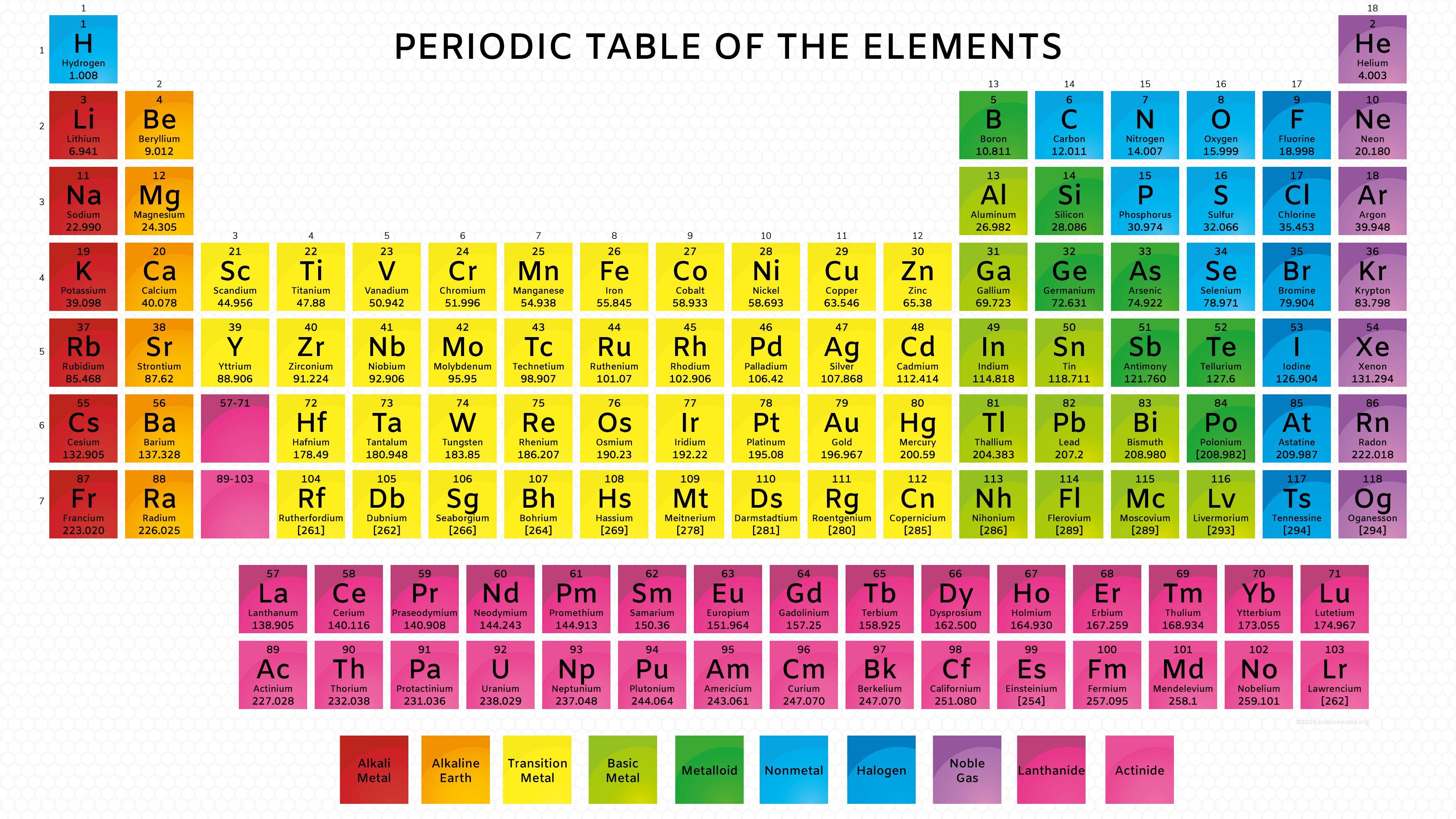
- Recognize the relationship between position of an element in periodic table and its atomic properties and the periodic trend in properties
- Explain the concept of chemical bonding
- Analyse the properties of gases, liquids, solids and solutions
Course Objectives
1. To develop conceptual knowledge about the electronic structure of atom, organization of periodic table and trend in atomic properties, properties of physical states of matter.
2. Apply the concepts to write electronic configuration of elements. Comprehend, analyse and predict type of chemical bonds and properties of matter.
Course Content:
Unit I Atomic structure
Blackbody emission and temperature, Photoelectric effect, Double slit experiment, Line spectrum of elements, Rutherford’s experiment, Bohr’s atomic model, Heisenberg’s Uncertainty, Quantum atomic model, hydrogen atomic orbitals and quantum numbers, atomic orbital equations (no derivation required), hybrid atomic orbitals, Electronic configuration of atoms, Madelung rule, atomic mass, synthetic elements, isotopes and stability of isotopes (qualitative description)
Unit II Periodic table and periodicity
Periodic trends in atomic properties, reactivity and compound formation, types of compounds, mole concept and composition, oxidation states - Chemical reactions, stoichiometry, chemical reactions in solutions, limiting reagent - Reactions in aqueous medium, precipitation, acid-base, redox, balancing redox reactions, oxidizing and reducing agents, stoichiometry and titration
Unit III Chemical bonding
Types of bonds, representation of electrons as dots, Lewis model of ionic, covalent structures, Electronegativity and bond polarity, Lewis structure of molecular compounds, resonance and formal charge, exception to octet rule, bond energies and bond lengths, bonding in metals - VSEPR theory, predicting molecular geometry, shapes and polarity - Valence Bond theory - Molecular orbital theory, electron delocalization
Unit IV Gases, Liquids, Solids and Solutions
Gas equations, van der Waals gas, virial gas equation, real gases, intermolecular forces - Properties of liquids, properties of solids, phase diagrams, nature of bonding in solids, crystal structures
Unit V Solutions
Types of solutions, solution concentration, solubilities of gases, vapour pressure, osmotic pressure, colligative properties of non-electrolyte solutions, electrolyte solutions, colloidal mixtures
Textbook:
Chemistry A Molecular approach, Nivaldo J Tro, 4ed, Pearson, 2017
Further Reading
Chemistry: The Central Science, Theodore L. Brown, H. Eugene LeMay, Jr., Bruce E. Bursten, Catherine J. Murphy, Patrick M. Woodward, Matthew W. Stoltzfus, 13ed, Pearson, 2015
- ஆசிரியர்: Venkatesan R
- பதிந்திருக்கும் மாணவர்கள்: இந்தப் பாடத்தில் எந்த மாணவரும் பதிவு பெறவில்லை

CHEM413 Chemical Bonding
- பதிந்திருக்கும் மாணவர்கள்: 49
CHEM412 Electronic Structure
- ஆசிரியர்: Venkatesan R
- பதிந்திருக்கும் மாணவர்கள்: 1
CHEM313 Equilibrium Chemical Thermodynamics
Pre-requisite: A pass in higher secondary and working knowledge in basic calculus
Course Outline and Objective: By its origin, thermodynamics is closely related to the study of heat engines and thermodynamic processes. However, the science of thermodynamics should also be understood as the study of thermodynamic properties of substances. In this course, the point of view according to which thermodynamics is concerned with the study of macroscopic properties obtained from macroscopic laws. Students undergoing this course will be equipped to evaluate various thermochemical properties from different experimental variables. From solving problems, students may realise the connection between thermodynamics with biological systems and natural processes.
Unit I: Behaviour of gases and liquids: Real gases, virial equation of state, gas liquid phases - molecular structure of liquids
Unit II First and second laws: First law of thermodynamics, Internal energy, work and heat, enthalpy, effect of enthalpy with temperature, thermochemistry – state functions and exact differentials – Joule Thomson effect – adiabatic changes – Entropy: definitions, Carnot cycle, Clausius inequality, entropy changes in physical processes, measurement of entropy - Third law: Nernst theorem and third law entropy
Unit III System properties and consequences: Helmholtz and Gibbs energies, spontaneous process, maximum work, Standard Gibbs energies – Maxwell relations, temperature, pressure effects on internal, Helmholtz, Gibbs energies, fugacity
Unit IV Physical transformations: Phase stability and phase diagrams, phase rule, thermodynamics of phase transitions – simple mixtures: Partial molar quantities, thermodynamics of mixing, ideal solutions, ideal dilute solutions, excess functions, colligative properties – Phase diagrams: non reacting and reacting binary systems, azeotropes, eutectics, ternary systems
Unit V Equilibrium systems: Activities – solute activity, mean activity coefficients, Debye-Huckel limiting law and theory, activity coefficient – Gibbs energy minimum and equilibrium: effect of temperature and pressure on Gibbs energy change and equilibrium constant Ionic equilibrium: Half-cell reactions and electrodes, types of cells, liquid junction potential, Nernst equation, thermodynamics of cells, determination of standard potentials, activity coefficients, equilibrium constants
Textbook:
Physical Chemistry Thermodynamics, Structure, and Change, Peter W Atkins, Julio de Paula, 10ed, W H Freeman, 2014
Further Readings:
Physical Chemistry, Robert G Mortimer, 3ed, Elsevier, 2008
Physical Chemistry, Thomas Engel and Philip Reid, 3ed, Pearson, 2013
- ஆசிரியர்: Venkatesan R
- பதிந்திருக்கும் மாணவர்கள்: 1

CHEM311 Basic Inorganic Chemistry II
Pre-requisite: A pass in higher secondary
Course Outline and Outcome: Course describes the nature of coordination compounds and their structures, electronic properties. Students undergoing this course will have working knowledge on synthetic and analysis of coordination compounds and their involvement in biological systems.
Course Content:
Unit I (Coordination Compounds I) Introduction, physical and chemical properties of transition elements; Introduction to coordination compounds; coordination numbers and geometries in transition metal complexes; nomenclature; isomerism in transition metal complexes – structural, geometrical and optical isomerism.
Unit II (Coordination Compounds II) Double salts and coordination compounds; Werner’s work; effective atomic number; bonding in transition metal complexes Valence bond theory, crystal field theory (octahedral and tetrahedral complexes); magnetism.
Unit III (Early Transition Elements) Introduction and the chemistry of Scandium group, Titanium group, Vanadium group, Chromium group and Manganese group,
Unit IV (Late Transition Elements) Introduction and the chemistry of Iron group, Cobalt group, Nickel group, Copper group and Zinc group.
Unit V (Inner Transition Elements) Lanthanides: Introduction, occurrence, separation, oxidation states and general chemistry. Actinides: Introduction, isolation and general chemistry
Text Book:
1. D. F. Shriver, P. W. Atkins, C. H. Langford, Inorganic Chemistry, ELBS. 1990.
Further Reading:
1. A. G. Sharpe, Inorganic Chemistry, 3ed, Addison-Wesley, 1999.
2. J. D. Lee, A New Concise Inorganic Chemistry, 3ed, ELBS, 1987.
3. B. Douglas, D. McDaniel, J. Alexander, Concepts and Models of Inorganic Chemistry, 3ed, John Wiley, 2001.
- ஆசிரியர்: Venkatesan R
- பதிந்திருக்கும் மாணவர்கள்: 1
CHEM310 Chemistry Laboratory V
- ஆசிரியர்: Venkatesan R
- பதிந்திருக்கும் மாணவர்கள்: இந்தப் பாடத்தில் எந்த மாணவரும் பதிவு பெறவில்லை
CHEM110 GENERAL CHEMISTRY LABORATORY I
Introductory Chemistry Laboratory. The following are tentative list of experiments:
1.
- ஆசிரியர்: Venkatesan R
- பதிந்திருக்கும் மாணவர்கள்: இந்தப் பாடத்தில் எந்த மாணவரும் பதிவு பெறவில்லை
EVNS 467 Fundamental of Geographic Information System
- ஆசிரியர்: S Jayakumar
- பதிந்திருக்கும் மாணவர்கள்: இந்தப் பாடத்தில் எந்த மாணவரும் பதிவு பெறவில்லை
EVNS 413 Advanced Sustainable development
- ஆசிரியர்: S Jayakumar
- பதிந்திருக்கும் மாணவர்கள்: இந்தப் பாடத்தில் எந்த மாணவரும் பதிவு பெறவில்லை
ECOL485 Ecology of Urban Environment
- ஆசிரியர்: S Jayakumar
- பதிந்திருக்கும் மாணவர்கள்: இந்தப் பாடத்தில் எந்த மாணவரும் பதிவு பெறவில்லை
ECOL462 Landscape Ecology and Planning
- ஆசிரியர்: S Jayakumar
- பதிந்திருக்கும் மாணவர்கள்: இந்தப் பாடத்தில் எந்த மாணவரும் பதிவு பெறவில்லை
ECOL472 Environmental Informatics and Modeling
database management systems, spatial data structure, how to extract information from different
data sources such as airborne data, space-borne data, climate data, GPS, topographical maps, and how to convert them into digital form. It also teaches the students how to integrate and
analyze the trend and patterns. It also introduces the students to the concept of weightage, and how to assign class weightage and layer weightage. The fundamentals of spatial modeling and how to perform modeling to identify the suitability and vulnerability. It also introduces the components of an information system and remote sensing. This course also demonstrates data collection using GPS, Map reading, DBMS, 2D analysis, and 3D analysis
- ஆசிரியர்: S Jayakumar
- பதிந்திருக்கும் மாணவர்கள்: இந்தப் பாடத்தில் எந்த மாணவரும் பதிவு பெறவில்லை
ECOL481 Digital Image Processing for Environmental Applications
- ஆசிரியர்: S Jayakumar
- பதிந்திருக்கும் மாணவர்கள்: இந்தப் பாடத்தில் எந்த மாணவரும் பதிவு பெறவில்லை
ECOL504 Lab/Fieldwork Remote sensing and GIS
- ஆசிரியர்: S Jayakumar
- பதிந்திருக்கும் மாணவர்கள்: இந்தப் பாடத்தில் எந்த மாணவரும் பதிவு பெறவில்லை
EVNS501 Geographical Information System
- ஆசிரியர்: S Jayakumar
- பதிந்திருக்கும் மாணவர்கள்: இந்தப் பாடத்தில் எந்த மாணவரும் பதிவு பெறவில்லை
ECOL501 Remote Sensing and GIS
- ஆசிரியர்: S Jayakumar
- பதிந்திருக்கும் மாணவர்கள்: இந்தப் பாடத்தில் எந்த மாணவரும் பதிவு பெறவில்லை
ECOL402 Bio Statistics
- பதிந்திருக்கும் மாணவர்கள்: இந்தப் பாடத்தில் எந்த மாணவரும் பதிவு பெறவில்லை